October 10, 2026
Why Industrial Circuits Keep Overloading
By @sergiozpkq780
Business circuits commonly overload because of outdated systems, rising energy needs, and inadequate facilities. You're likely encountering concerns like excessive home appliance usage and inefficient power circulation, which strain existing circuits. Improperly maintained devices can aggravate these troubles, resulting in unforeseen failures. Regular breaker trips and flickering lights signal underlying issues that need attending to. To successfully manage these risks, it's essential to weigh upgrades and routine maintenance. Discovering tailored options is vital for long-term operational stability.
Takeaways
- Extreme demand on breakers and panels not rated for present devices causes circuit overloads.
- Aging circuitry systems and broken down conductors boost resistance, causing circuits to work tougher and overload.
- Simultaneous operation of high-demand tools boosts the risk of overloads in commercial setups.
- Out-of-date breakers may fail to trip throughout rises, enabling overload conditions to continue.
- Inadequate lots ability from inadequate breakers and panels adds substantially to overload probability.
Understanding Circuit Overload: A Significant Hazard to Business Operations
Comprehending circuit overload is important for guarding service procedures, particularly since also a brief rise in electrical need can lead to significant disturbances. To prevent these overloads, reliable lots projecting is essential; it aids forecast future electric usage based on historical information and present trends. By precisely assessing demand, you can maximize your power distribution and stay clear of going beyond circuit capacities. Furthermore, executing power redundancy techniques assurances that if one circuit falls short or ends up being overloaded, backup systems can keep procedures without interruption. This proactive approach not only reduces the threats related to circuit overloads however additionally improves general system reliability, enabling your service to operate smoothly and efficiently under differing power needs.
Common Indications of Circuit Overload
When electrical systems end up being overloaded, numerous indicators can suggest problem developing. You might discover fluctuations in lights, often referred to as voltage flicker, which can affect performance and security. Breaker nuisance is another common symptom; frequent tripping of breaker is a caution that the system can not manage its present load. In addition, you may experience cozy or warm receptacles, which can present fire dangers. Unusual odors, such as melting plastic, need to signal you to potential overload concerns. Observing these indications early can assist stop expensive repairs and assure a more secure atmosphere.

Just How Outdated Equipment Contribute to Circuit Overloads
Obsolete electrical systems usually lack the capacity to manage modern-day demands, leading to raised circuit overloads. Legacy controls, developed for lower power needs, battle to take care of today's energy-intensive tools. This mismatch usually causes ineffective tons distribution, creating circuits to overheat and journey. Furthermore, outdated breakers can't properly reply to current surges, leaving systems prone to failures. When these breakers fail to trip, they enable too much present to move, which aggravates the risk of overloads. Updating these elements is important; otherwise, you're most likely to face constant disturbances and prospective damage. Investing in contemporary electric facilities warranties that your systems can handle increasing demands, reducing the likelihood of circuit overloads and improving operational dependability.
Just How Rising Energy Demands Result In Circuit Overloads
As power needs boost, the use of home appliances in commercial settings increases noticeably, straining existing circuits. Inefficient energy distribution further aggravates this issue, resulting in possible overloads. Furthermore, obsolete circuit framework typically can not manage modern power needs, making overloads more most likely.
Boosted Appliance Usage
In electrician gravesham an era where innovation permeates every element of every day life, increased device usage has come to be a significant contributor to circuit overloads. You may not recognize that tools like wise thermostats and small washing machines draw considerable power, frequently resulting in unexpected rises. As you depend a lot more on these energy-efficient gadgets, their advancing power demands can exceed circuit abilities. For instance, while wise thermostats maximize heating and air conditioning, they still need regular power to operate. Likewise, portable washing machines, regardless of their size, eat substantial electrical power throughout cycles. When a number of high-demand appliances run at the same time, the threat of overloading circuits escalates. Recognizing these characteristics is essential in preventing electrical failures and ensuring your business room operates smoothly and effectively.
Inefficient Power Circulation
Rising energy demands from contemporary devices worsen problems with inefficient power distribution in commercial settings. With the spreading of high-draw devices, standard circuit designs struggle to keep speed. Smart metering can supply real-time data on energy use, aiding you recognize optimals and valleys sought after. Nevertheless, without sufficient energy storage space solutions, excess energy throughout low-demand periods is frequently squandered, causing spikes throughout peak times that overwhelm circuits. This inadequacy not only stress infrastructure however also raises functional costs. By implementing innovative power administration systems that integrate wise metering and energy storage, you can much better stabilize lots, protecting against circuit overloads and making sure an extra trusted power supply for your commercial operations.
Outdated Circuit Facilities
The susceptability of out-of-date circuit facilities substantially adds to circuit overloads in commercial atmospheres. Lots of centers still depend on heritage panelboards and knob tube circuitry, which merely can not handle today's climbing power needs. These antiquated systems often lack the capacity for contemporary electric lots, causing getting too hot and failure. When you connect in multiple devices, the pressure on these outdated circuits increases notably, leading to frequent tripped breakers or worse. In addition, the failure to upgrade or broaden these systems intensifies the concern, as they come to be increasingly inadequate. Without timely financial investment in contemporary facilities, businesses take the chance of not only devices damages however also safety and security hazards, highlighting the important requirement for extensive electrical analyses and upgrades to mitigate overload risks.
The Influence of Bad Facilities on Circuit Performance
Bad infrastructure can badly endanger circuit capability, especially when managing maturing wiring systems. These obsolete elements typically can't deal with present loads, causing regular overloads and possible hazards. Insufficient load capability even more worsens the problem, restricting the system's capability to sustain growing power needs.
Aging Circuitry Solutions
As buildings age, their electrical wiring systems often weaken, leading to considerable effects for circuit capability. Outdated circuitry innovations, such as handle and tube systems, can contribute to inadequacies and security hazards. When you encounter heritage insulation, it might not provide ample security against deterioration, enhancing the risk of circuit overloads.
Here are three important issues associated with aging wiring systems:

- Weakened Conductors: As insulation breaks down, exposed cords can short-circuit, raising the possibility for overloads.
- Insufficient Grounding: Older systems might lack correct grounding, leading to unsafe electric settings.
- Enhanced Resistance: Aging wires can present higher resistance degrees, triggering circuits to function harder and possibly overload.
Attending to these issues is vital for maintaining electrical integrity.
Not Enough Tons Capacity
Not enough lots capacity can severely hinder circuit capability, particularly in older industrial structures. When you're handling poor breakers and inadequate panels, the threat of circuit overload increases considerably. These components are created to take care of certain lots; go beyond that capacity, and you're welcoming frequent tripping and even irreversible damages. If your breakers aren't ranked for the current needs of your tools, they'll fall short to safeguard the circuit, leading to prospective risks. Furthermore, inadequate panels can restrict your ability to disperse power properly, causing localized overloads. Routine evaluations of your electric system are essential. Upgrading to breakers and panels that meet present lots needs can mitigate dangers and boost total performance, ensuring your circuits run successfully and securely.
Leading Techniques to avoid Circuit Overload
Avoiding circuit overload requires a critical strategy to electric management in industrial settings. To effectively decrease electrician gravesham threats, think about executing the following approaches:
- Power Auditing: Conduct regular power audits to identify locations of too much energy usage. This aids you determine ineffectiveness and prioritize upgrades.
- Load Balancing: Distribute electric lots uniformly across circuits. By making sure that no solitary circuit births too much need, you can noticeably reduce the chance of overload.
- Routine Upkeep: Schedule regular evaluations and upkeep of your electric systems. This ensures that any potential problems are resolved before they rise right into major troubles.
Key Factors To Consider for Updating Electric Infrastructure
When considering an upgrade to your electrical facilities, it's vital to analyze both existing demands and future demands. Begin with comprehensive energy audits; they'll expose ineffectiveness and aid you recognize your existing tons patterns. Next off, use lots forecasting to prepare for changes in power demands gradually. This aggressive strategy guarantees your system can manage raised capacity without threat of overload. Assess the problem of existing tools and think about the combination of contemporary innovations, such as wise meters, to enhance monitoring capacities. Additionally, confirm compliance with existing codes and criteria to avoid prospective responsibilities. By resolving these key factors to consider, you'll develop a strong electric infrastructure that meets today's needs and is adaptable for tomorrow's development.
The Role of Routine Electric Upkeep in Security
Routine electric maintenance is important for avoiding circuit overloads and guaranteeing safety in commercial setups. By regularly checking your systems, you can identify prospective concerns prior to they rise, preserving conformity with safety regulations. This proactive technique not only protects your infrastructure yet likewise minimizes risks connected with electrical failings.
Preventive Maintenance Significance
Preserving electric systems is essential for assuring safety and security in business environments. Normal precautionary upkeep decreases dangers linked with circuit overloads and improves functional efficiency. By carrying out reliable techniques, you can substantially lower threats. Here are three crucial components to focus on:
- Predictive Evaluations: These positive assessments allow you to recognize potential concerns prior to they escalate, assuring system dependability.
- Routine Evaluating: Carrying out regular tests on circuit breakers and wiring aids to discover anomalies early.
- Paperwork Methods: Maintaining accurate documents of upkeep activities assurances conformity with safety policies and gives valuable understandings into system performance.
Determining Potential Issues
Although electrical systems can show up useful, concealed concerns often hide below the surface area, demanding watchful maintenance practices. Normal power bookkeeping and tons projecting play essential duties in identifying potential problems prior to they escalate. By examining power consumption patterns and predicting future loads, you can determine inefficiencies and expect overloads.
Maintenance TaskRegularityImpact on Safety and security Visual InspectionsRegular monthlyDiscovers visible wear Energy AuditingQuarterlyIdentifies ineffectiveness Lots ForecastingBiannuallyProtects against overloads Circuit ScreeningEach yearVerifies capabilityIncluding these methods into your routine warranties that your electric systems stay safe and practical, minimizing the danger of circuit overloads.
Conformity With Laws
Making sure compliance with electric policies is necessary for keeping safety and security and stopping circuit overloads. Regular maintenance plays an essential duty in this procedure and requires your attention to numerous vital locations:
- Keep Updated on Regulatory Changes: Consistently examine brand-new policies to assure your systems abide by existing criteria.
- Apply Conformity Training: Ensure all workers comprehend safety protocols and their duties concerning electric systems.
- Conduct Routine Inspections: Schedule constant assessments of your electrical framework to recognize potential risks prior to they intensify.
Exactly how to Recognize and Replace Faulty Equipment
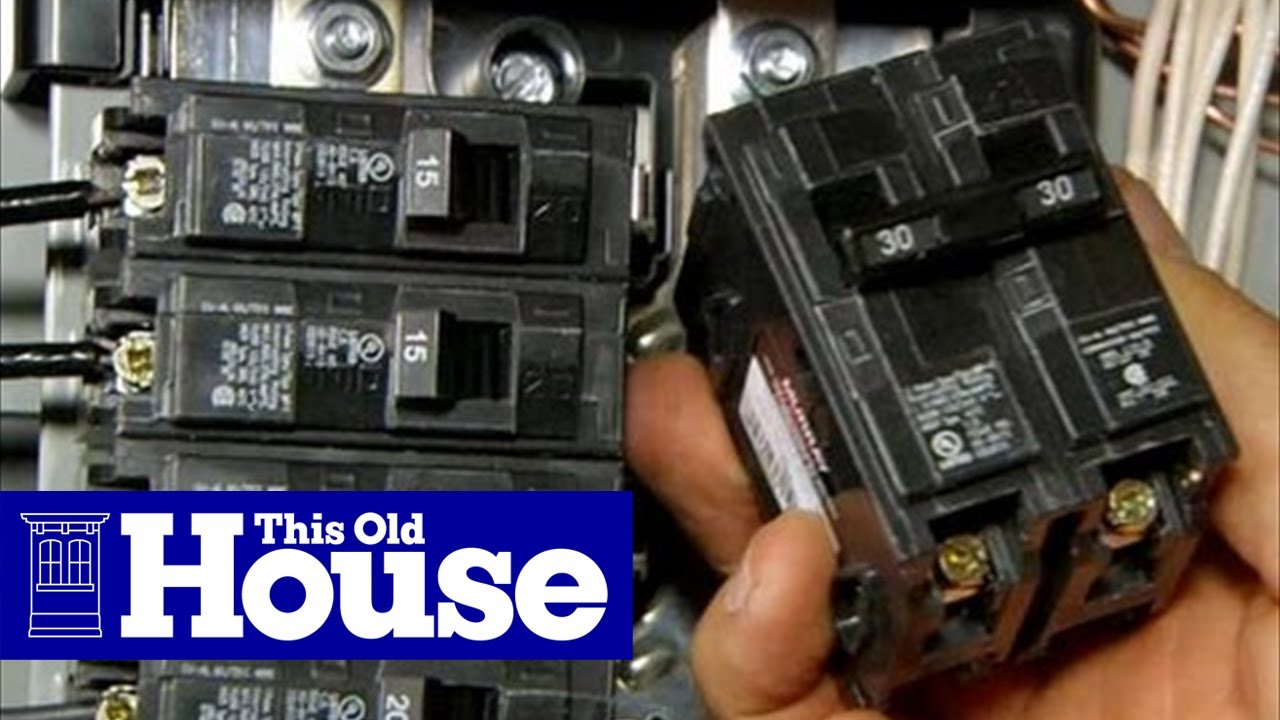
Determining and replacing malfunctioning equipment in business circuits is critical for keeping performance and security. Begin by performing regular examinations to pinpoint indicators of wear or malfunction, such as unusual sounds, overheating, or unpredictable performance. Utilize sophisticated analysis devices to execute damaged diagnostics; these can help you identify underlying concerns that may not be right away visible. If you find devices proving signs of failure, prioritize its substitute to avoid further difficulties. When choosing new devices, make particular of compatibility with existing systems to avoid added strain on circuits. Paper all searchings for and replacements to track efficiency over time. This positive approach assists reduce prospective overloads and boosts the general reliability of your industrial electric infrastructure.
Why Collaborating With Electrical Professionals Is Important
Changing damaged devices is simply one aspect of keeping a dependable industrial electrical system. To guarantee safety and effectiveness, collaborating with certified electrical contractors is vital. They not just possess the know-how to attend to electric issues however also carry out comprehensive threat analyses to recognize possible risks prior to they rise. Below are three reasons working together with electrical specialists is important:
- Conformity with Regulations: Qualified electricians ensure that all work meets neighborhood codes and standards.
- Preventive Maintenance: Routine assessments help spot problems early, avoiding expensive downtime.
- Professional Troubleshooting: Their experience enables quick medical diagnosis and resolution of complicated troubles, reducing functional disturbances.
Purchasing expert electrical solutions safeguards your company and enhances system dependability.
Often Asked Inquiries
How Can I Inform if My Circuit Is Overloaded?
You can tell if your circuit is overwhelmed by monitoring the power use very closely. If you see frequent tripping of circuit breakers or flickering lights, those are solid signs. Applying power surveillance devices can assist track your circuit's tons in real time. Additionally, take into consideration load harmonizing to disperse the electrical lots equally throughout your circuits, lowering the risk of overload and making certain peak efficiency. Normal checks will aid keep circuit stability.
What Are the Costs Connected With Circuit Overload?
Circuit overloads can lead to substantial prices, including equipment downtime, which interferes with procedures and influences performance. You could deal with boosted insurance cases if equipment is damaged, better stressing your budget. Furthermore, fixing or replacing defective parts can be costly, not to mention possible fines for non-compliance with security policies. Ultimately, these expenses can build up quickly, impacting your base line and demanding careful administration of electric loads in your center.
Can Climate Affect Circuit Overload Incidents?
Yes, weather can substantially affect circuit overload incidents. Extreme weather condition conditions, like tornados, can cause lightning rises that interrupt electrical systems. If circuits aren't designed with adequate weather durability, they're extra susceptible to overloads throughout these occasions. For circumstances, heavy rainfall can cause flooding, affecting circuit integrity. It's crucial to evaluate the impact of weather on your electric facilities to stop possible damages and make certain dependable operation.
How Commonly Should I Examine My Electric System?
You should examine your electrical system at the very least yearly. But do not wait up until issues arise-- positive maintenance is crucial. Regular yearly examinations can capture prospective issues before they rise, conserving you money and time. Imagine the repercussions of ignoring this crucial step; overloaded circuits might cause major threats. By focusing on these assessments, you guarantee security and dependability, keeping your system running smoothly and successfully. Don't take the risk; act currently.
Exist Particular Industries More Prone to Circuit Overloads?
Yes, certain industries are a lot more susceptible to circuit overloads. Production centers frequently use heavy equipment that attracts substantial power, boosting the threat of overloads. In a similar way, data centers rely on countless servers and cooling systems, which can push circuits to their restrictions. Both markets need regular assessments and upgrades to their electrical systems to avoid failings. By comprehending these demands, you can much better minimize risks and guarantee reliable procedures in your center.
❧